
Design an LC Filter
Low-pass, High-pass and Band-pass Filters1 Introduction
Filters are key components in electronic circuits, controlling which frequencies can pass and which are blocked. LC filters are widely used due to their simplicity and reliable frequency response.
This document focuses on designing and analyzing low-pass, high-pass, and band-pass passive LC filters. For each type, both Butterworth and Chebyshev responses will be implemented. The design of passive filters is based on achieving a specific attenuation at a defined cutoff frequency. The Butterworth and Chebyshev filters share the same topology, but differ in their response characteristics due to the nature of their coefficient values. Finally, the filters will be compared to determine which provides better performance and more accurate results.
1.1 Used Equipments
For the measurements and verification of the designed passive filters, a LibreVNA vector network analyzer was used (Figure 1). LibreVNA is a compact and affordable two-port VNA capable of measuring S-parameters over a wide frequency range (from 100 kHz up to 6 GHz). It allows accurate characterization of RF components such as filters, amplifiers, and cables by providing information about their transmission and reflection properties.
For the measurement of the LC filters, a testboard was used together with the LibreVNA and LibreVNA GUI. The testboard allowed the filters to be assembled and connected properly for measurement, while the LibreVNA software enabled visualization of the frequency response, ensuring accurate observation of the –3 dB cutoff points and overall behavior of each filter.
The –3 dB point is the frequency where the output voltage drops to about 70% of its normal passband level, meaning the power is reduced by half. A band-pass filter has two such points, while low-pass and high-pass filters have only one. The bandwidth is the range between these points.

Figure 1 – Vector Network Analyzer – LibreVNA
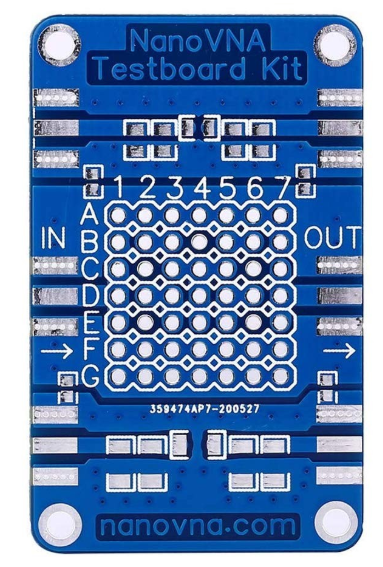
Figure 2 – NanoVNA Testboard
Using the LibreVNA, the S-parameters of the filter were measured to analyze its behavior. In a two-port network, the parameters S11 and S22 represent reflection coefficients at the input and output, while S12 and S21 describe reverse and forward transmission. In this measurement, focus was placed on S21, which indicates how much signal is transmitted from port 1 to port 2 and thus represents the insertion loss of the filter.
Figures 3 and 4 show the assembled LC filter on the testboard and the measurement setup connected to the LibreVNA, used to analyze the frequency response. This configuration allowed verification of the filter’s performance around the designed cutoff frequency.
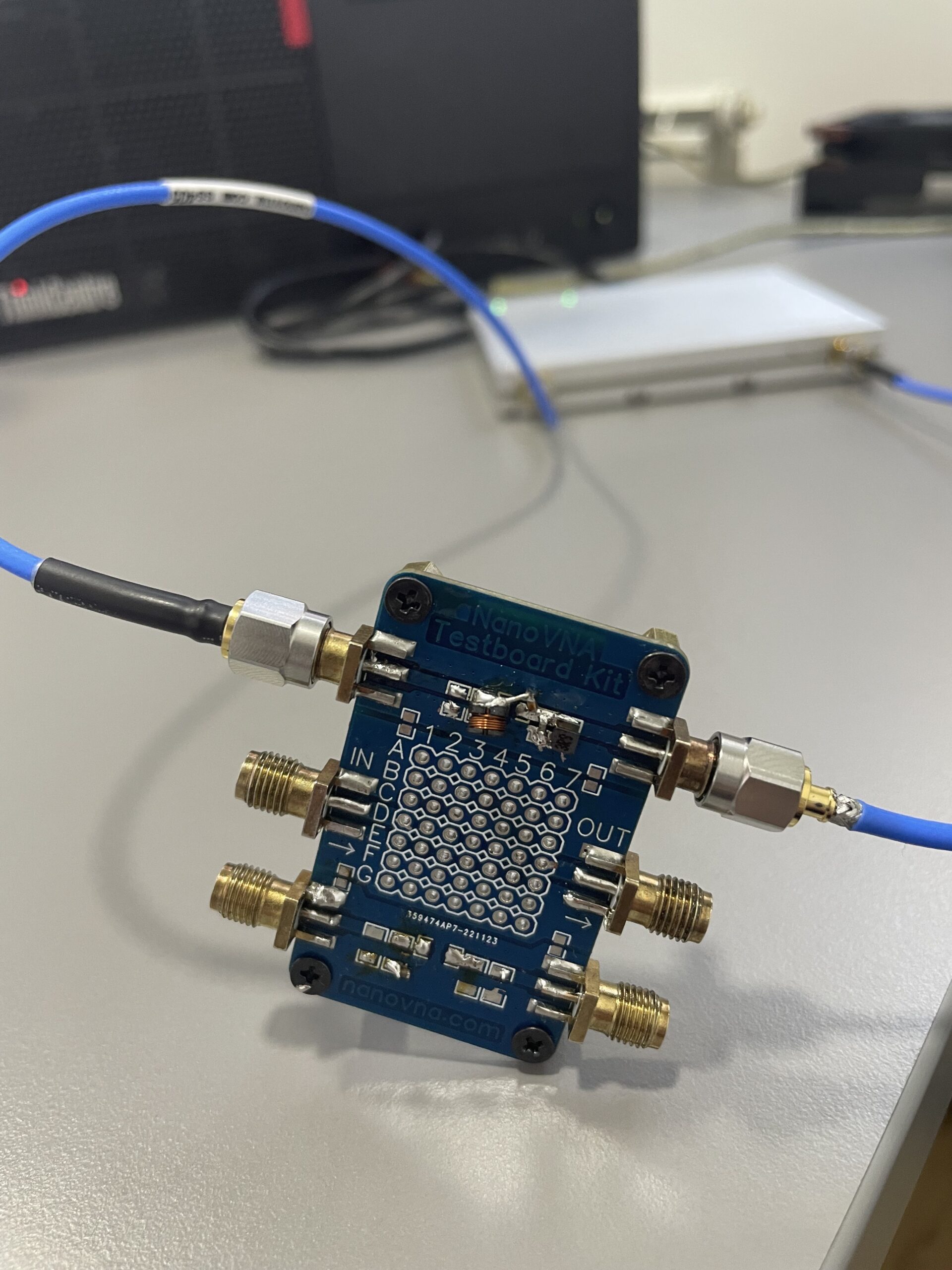
Figure 3 – Assembled LC Filter Components on Testboard
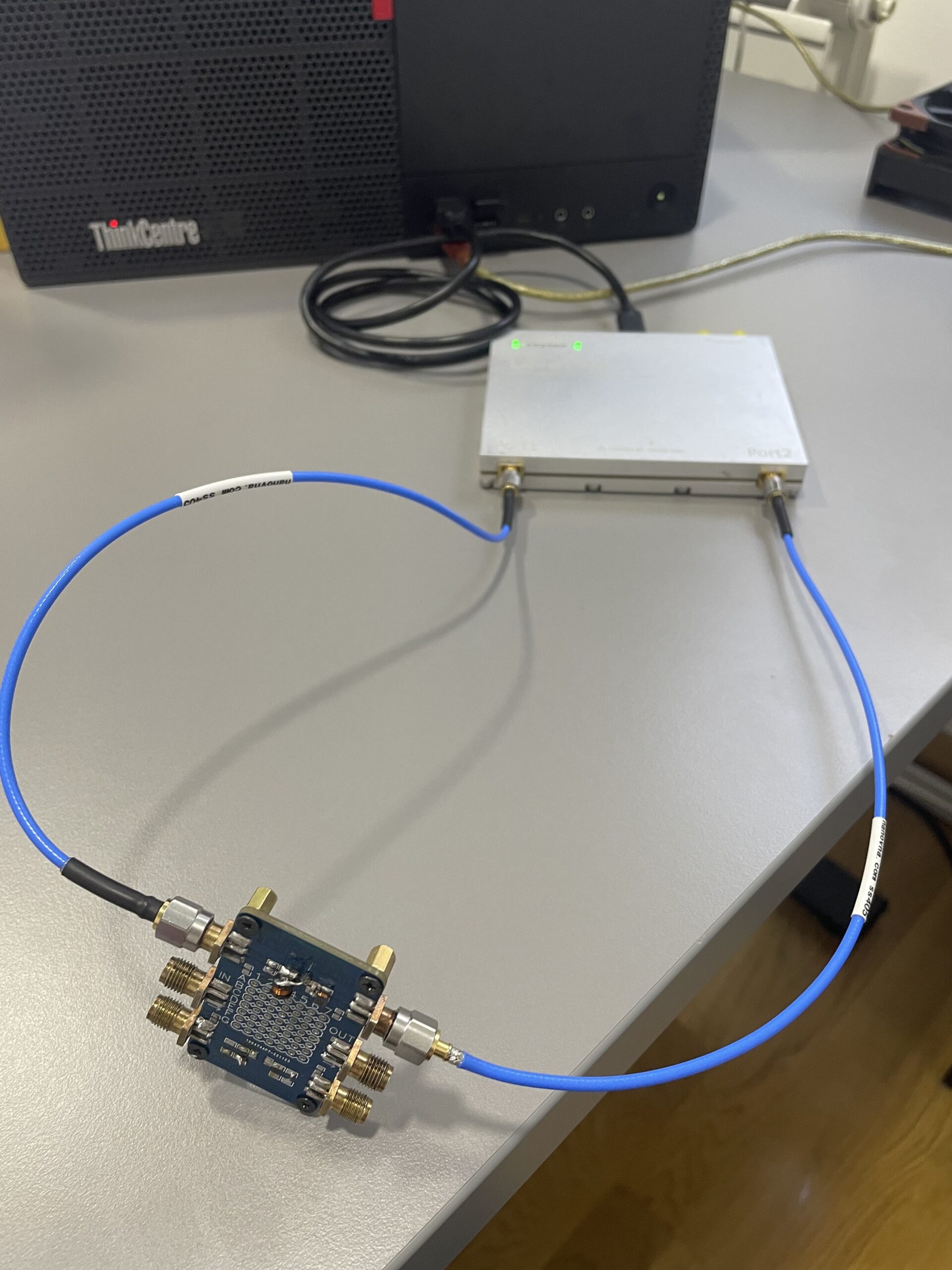
Figure 4 – Testboard Connected and Measured Using LibreVNA
2 Butterworth and Chebyshev Type of Filter
A Butterworth filter is widely used in signal processing for its smooth and predictable frequency response. Named after Stephen Butterworth, who first described it in 1930, it provides a flat response in the passband, with no ripples or variations in amplitude. It has a relatively slow roll-off, meaning frequencies beyond the cutoff are attenuated gradually. Higher-order filters increase the steepness of the roll-off but remain slower than Chebyshev filters, making Butterworth suitable when a smooth signal is more important than sharp frequency separation.
Chebyshev filters achieve a faster roll-off by allowing small ripples in the passband or stopband. This ripple can be adjusted to balance the flatness of the passband with a sharper transition to the stopband.
Butterworth and Chebyshev filters can use the same LC topology, meaning the layout of inductors and capacitors is identical. The difference in performance comes from the values of these components, which are calculated using different coefficients. Butterworth gives a smooth response, while Chebyshev allows ripple and a faster cutoff.
In Figure 5, a comparison of Butterworth and Chebyshev low-pass filters is shown. The Chebyshev filter has a sharper roll-off but shows ripples in the passband, while the Butterworth filter has a smooth, ripple-free response with a slower transition to the stopband.

Figure 5 – Comparison of Butterworth and Chebyshev Low-Pass Filters
Overall, both filters are useful depending on the application. Butterworth filters are best when a smooth, stable signal is needed, while Chebyshev filters are chosen when sharper separation of frequencies is important.
3 Design and Validation of a Passive LC Filter
3.1 Design of LC Filters – Butterworth Filter
In this section, three passive LC filters were designed and analyzed: a low-pass filter, a high-pass filter, and finally a band-pass filter obtained by combining the first two. The design process included defining input parameters, calculating component values, rounding to standard components, simulation in LTspice, and measurement using LibreVNA.
3.1.1 Low-Pass Filter Design
For the low-pass filter, we selected a cutoff frequency of 1 MHz and a Butterworth response, which defines the component coefficients.
Initial component values were calculated using an LC Filter Design Tool (we used the one from Marki Microwave, available on their website). Any other LC design tool could also be used for this purpose. The schematic from this tool is shown in Figure 6.

Figure 6 – Butterworth Low-Pass Filter Design in LC Filter Design Tool
The calculated values were rounded to standard commercially available components:
- Capacitor 4.7 nF – MPN: GRM188R71H472KA01D
- Inductor 10 µH – MPN: 744032100
The schematic with these standardized values in LTspice is shown in Figure 7.

Figure 7 – Butterworth Low-Pass Filter Schematic (Standardized Components)
The schematic was simulated in LTspice to verify the -3 dB cutoff and smooth Butterworth response. Parasitic parameters such as ESR and winding resistance were not included, as they have negligible influence at this frequency. The LTspice frequency response simulation is shown in Figure 8.

Figure 8 – Butterworth Low-Pass Filter LTspice Response (Standardized Components)
After confirming the simulation results, the circuit was assembled on a testboard and measured using LibreVNA GUI. The measured response, shown in Figure 9, closely matched the simulated curve.

Figure 9 – Butterworth Low-Pass Filter Measured with Vector Network Analyzer (LibreVNA)
3.1.2 High-Pass Filter Design
For the high-pass filter, we selected a cutoff frequency of 2 MHz and a Butterworth response. Initial component values were calculated using an LC Filter Design Tool (Marki Microwave LC Filter Design Tool). The schematic from this tool is shown in Figure 10. The topology is identical to the low-pass filter, but with the positions of the inductor and capacitor swapped.

Figure 10 – Butterworth High-Pass Filter Design in LC Filter Design Tool
After calculation, the component values were rounded to the nearest standard components:
- Capacitor 1.2 nF – MPN: GRM188R71H122KA01D
- Inductor 2.7 µH – MPN: 7440320027
The LTspice schematic with these standardized values is shown in Figure 11.

Figure 11 – Butterworth High-Pass Filter Schematic (Standardized Components)
The filter was simulated in LTspice to confirm the expected cutoff frequency and Butterworth characteristics. Parasitic elements again had little impact due to the relatively low operating frequency. The LTspice frequency response simulation is shown in Figure 12.

Figure 12 – Butterworth High-Pass Filter LTspice Response (Standardized Components)
The circuit was then built and measured using the Libre VNA GUI, confirming good agreement between simulation and measurement. The measured response with LibreVNA is shown in Figure 13.
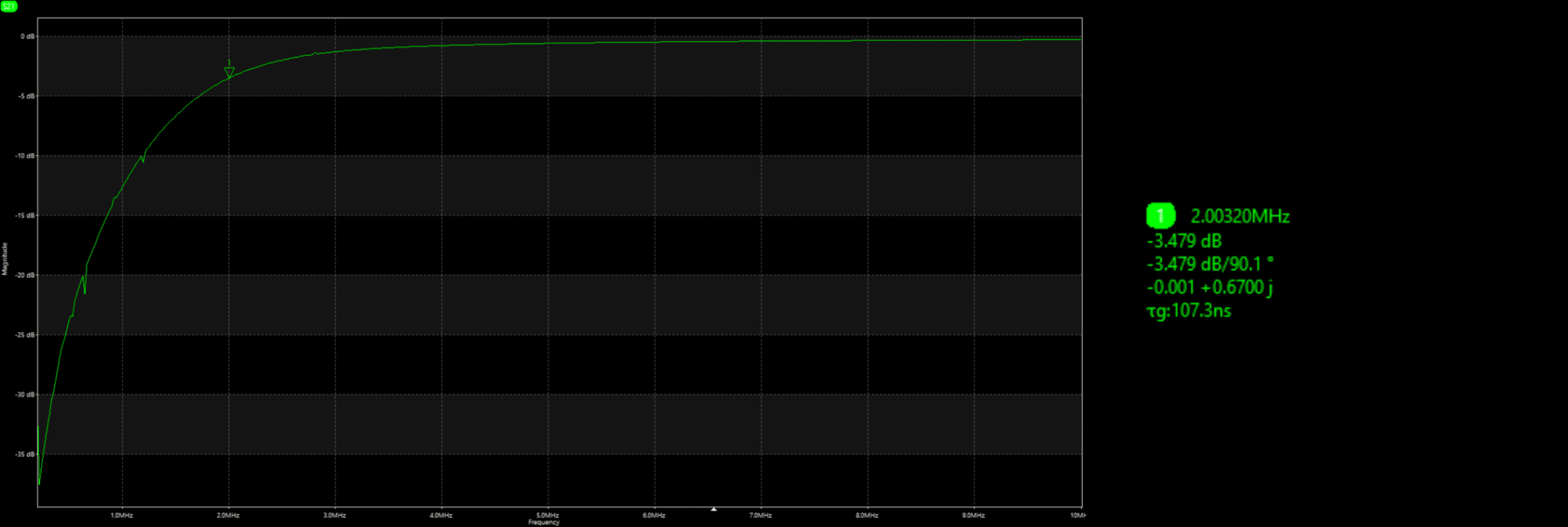
Figure 13 – Butterworth High-Pass Filter Measured with Vector Network Analyzer (LibreVNA)
3.1.3 Band-Pass Filter Design
For the band-pass filter, we selected a passband from 1 MHz to 2 MHz by combining the previously designed low-pass and high-pass sections. Initial component values were calculated using an LC Filter Design Tool. The schematic from this tool is shown in Figure 14.

Figure 14 – Butterworth Band-Pass Filter Schematic in LC Filter Design Tool
Standardized component values were applied following the same procedure as for the low-pass and high-pass filters. The band-pass filter schematic with standardized component values in LTspice is shown in Figure 15.

Figure 15 – Butterworth Band-Pass Filter Schematic (Standardized Components)
The combined filter was simulated in LTspice to verify that the passband correctly covers the 1–2 MHz range. The LTspice frequency response simulation is shown in Figure 16.
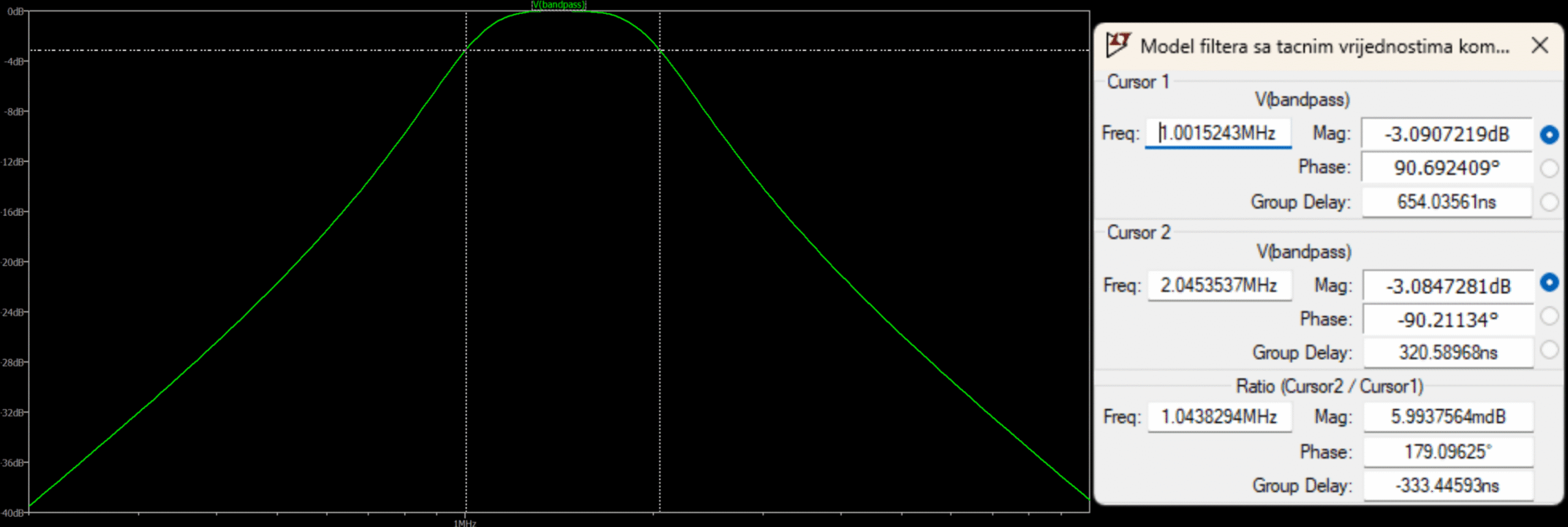
Figure 16 – Butterworth Band-Pass Filter LTspice Response (Standardized Components)
The assembled circuit was then tested using LibreVNA, and the measured response confirmed the expected frequency range and smooth transition at the passband edges. The measured response with LibreVNA is shown in Figure 17.

Figure 17 – Butterworth Band-Pass Filter Measured with Vector Network Analyzer (LibreVNA)
3.2 Design of LC Filters – Chebyshev Filter
In this section, Chebyshev passive LC filters were designed and analyzed: a low-pass filter, a high-pass filter, and a band-pass filter obtained by combining the first two. The design process included defining input parameters, calculating component values, rounding to standard components, simulation in LTspice, and measurement using LibreVNA.
3.2.1 Low-Pass Chebyshev Filter Design
For the low-pass Chebyshev filter, we selected a cutoff frequency of 1 MHz and a Chebyshev response with 1 dB passband ripple, which defines the component coefficients. Initial component values were calculated using an LC Filter Design Tool. Any other LC design tool could also be used. The schematic from this tool is shown in Figure 18.
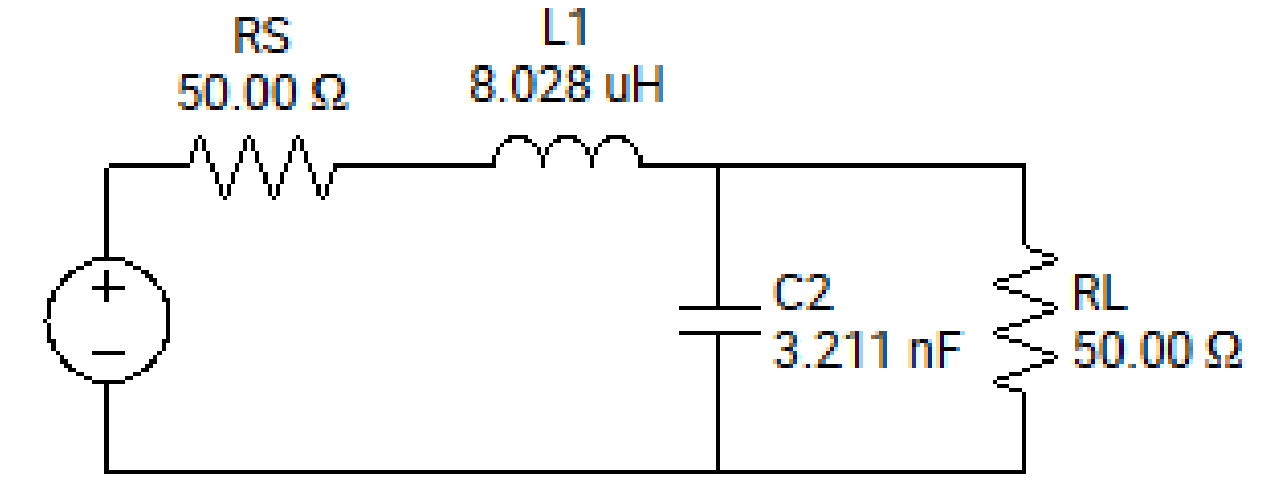
Figure 18 – Chebyshev Low-Pass Filter Schematic in LC Filter Design Tool
The calculated values were rounded to standard commercially available components:
- Capacitor 3.3 nF – MPN: GRM188R71H332KA01D
- Inductor 10 µH – MPN: 744032100
The LTspice schematic with these standardized values is shown in Figure 19.

Figure 19 – Chebyshev Low-Pass Filter Schematic with Standardized Component Values
The schematic was simulated in LTspice to verify the -3 dB cutoff and the Chebyshev response characteristics. Parasitic elements were not included, as their effect is minimal at this frequency. The LTspice frequency response simulation is shown in Figure 20.

Figure 20 – Chebyshev Low-Pass Filter LTspice Response (Standardized Components)
After confirming the simulation results, the circuit was assembled on a testboard and measured using LibreVNA. The measured response is shown in Figure 21.

Figure 21 – Chebyshev Low-Pass Filter Measured with Vector Network Analyzer (LibreVNA)
3.2.2 High-Pass Chebyshev Filter Design
For the high-pass Chebyshev filter, we selected a cutoff frequency of 2 MHz with a Chebyshev response (1 dB passband ripple). Initial component values were calculated using the LC Filter Design Tool (Marki Microwave). The schematic from this tool is shown in Figure 22. The topology is identical to the low-pass filter, with the positions of the inductor and capacitor swapped.

Figure 22 – Chebyshev High-Pass Filter Schematic in LC Filter Design Tool
After calculation, the component values were rounded to standard components:
- Capacitor 1.5 nF – MPN: GRM188R71H152KA01D
- Inductor 3.9 uH – MPN: 7440320039
The LTspice schematic with standardized values is shown in Figure 23.
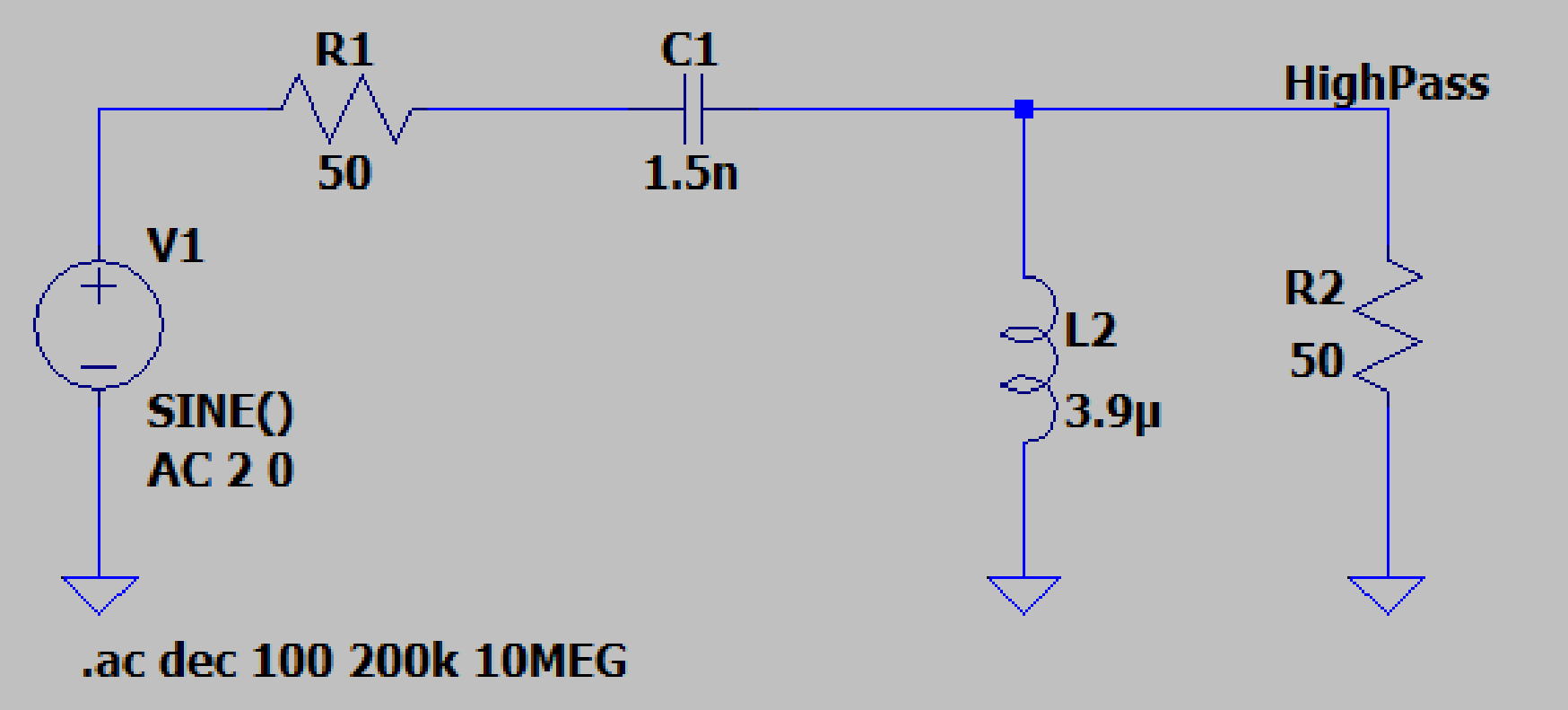
Figure 23 – Chebyshev High-Pass Filter Schematic with Standardized Component Values
The filter was simulated in LTspice to verify the cutoff and Chebyshev characteristics. Parasitic effects had minimal influence at this frequency. The LTspice frequency response simulation is shown in Figure 24.

Figure 24 – Chebyshev High-Pass Filter LTspice Response (Standardized Components)
The circuit was then built and measured using LibreVNA, confirming good agreement. The measured response is shown in Figure 25.
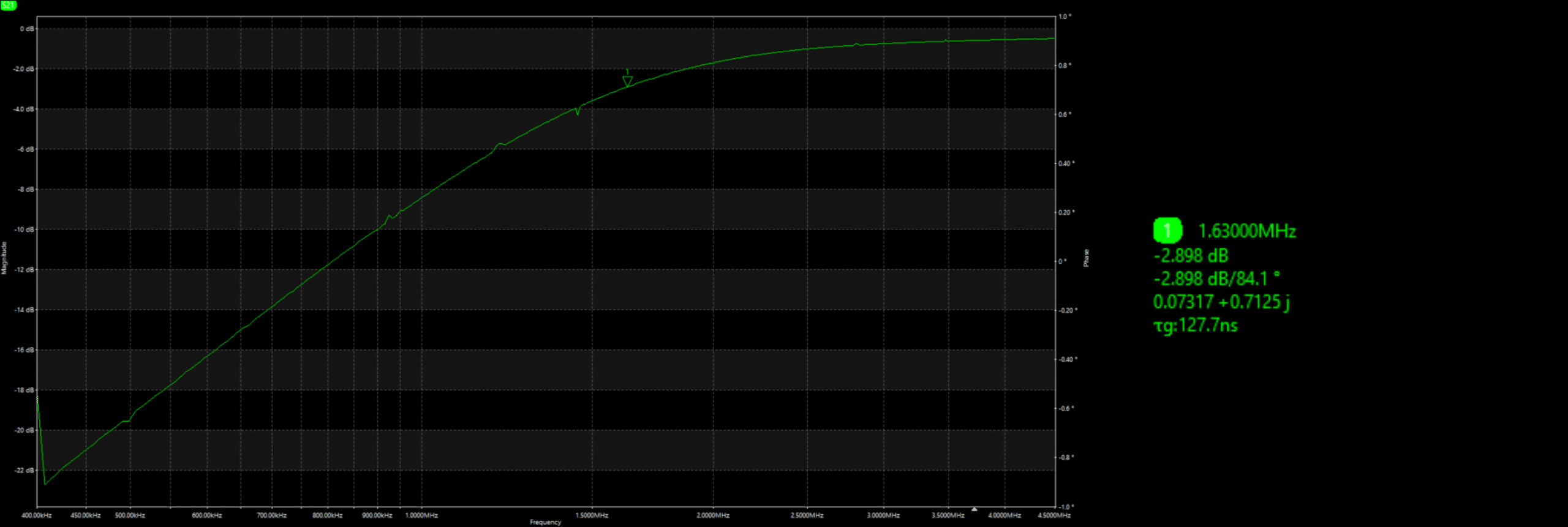
Figure 25 – Chebyshev High-Pass Filter Measured with Vector Network Analyzer (LibreVNA)
3.2.3 Band-Pass Chebyshev Filter Design
For the band-pass Chebyshev filter, we selected a passband from 1 MHz to 2 MHz by combining the previously designed low-pass and high-pass sections. Initial component values were calculated using the LC Filter Design Tool, and the schematic from this tool is shown in Figure 26.
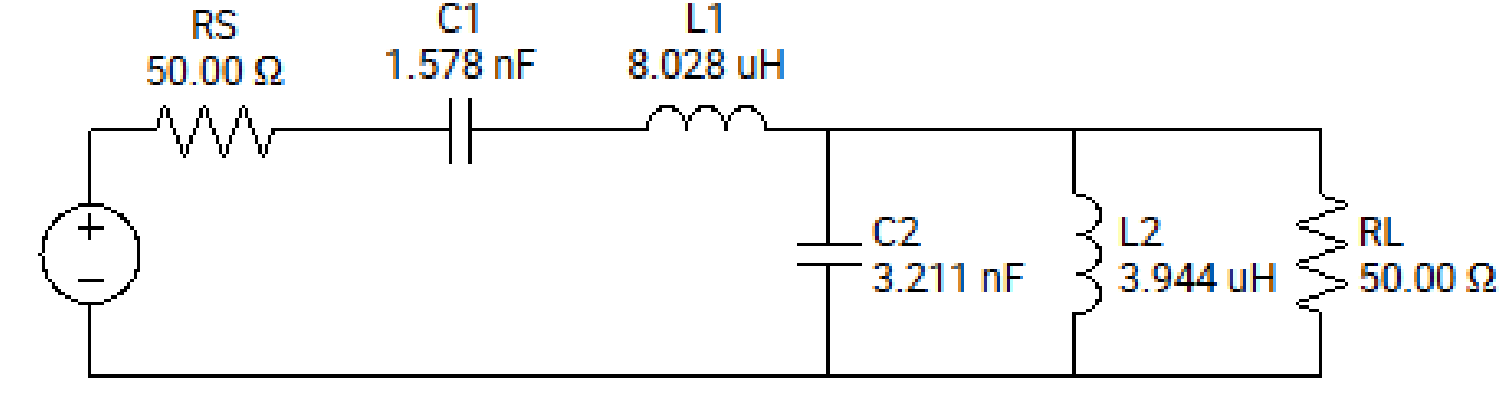
Figure 26 – Chebyshev Band-Pass Filter Schematic in LC Filter Design Tool
Standardized component values were applied following the same procedure as for the individual low-pass and high-pass filters. The LTspice schematic with standardized values is shown in Figure 27.

Figure 27 – Chebyshev Band-Pass Filter Schematic with Standardized Component Values
The combined filter was simulated in LTspice to verify that the passband correctly covers the 1–2 MHz range. The LTspice frequency response simulation is shown in Figure 28.
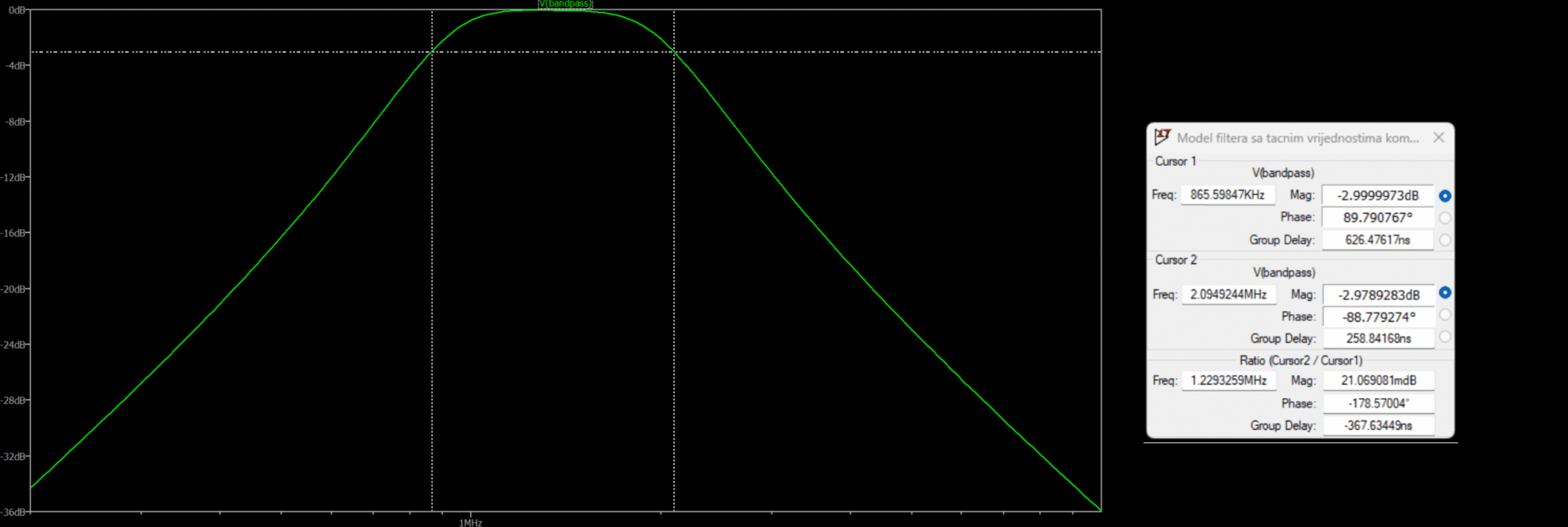
Figure 28 – Chebyshev Band-Pass Filter LTspice Response (Standardized Components)
The assembled circuit was then tested using LibreVNA, and the measured response confirmed the expected passband and Chebyshev ripple. The measured response from LibreVNA is shown in Figure 29.
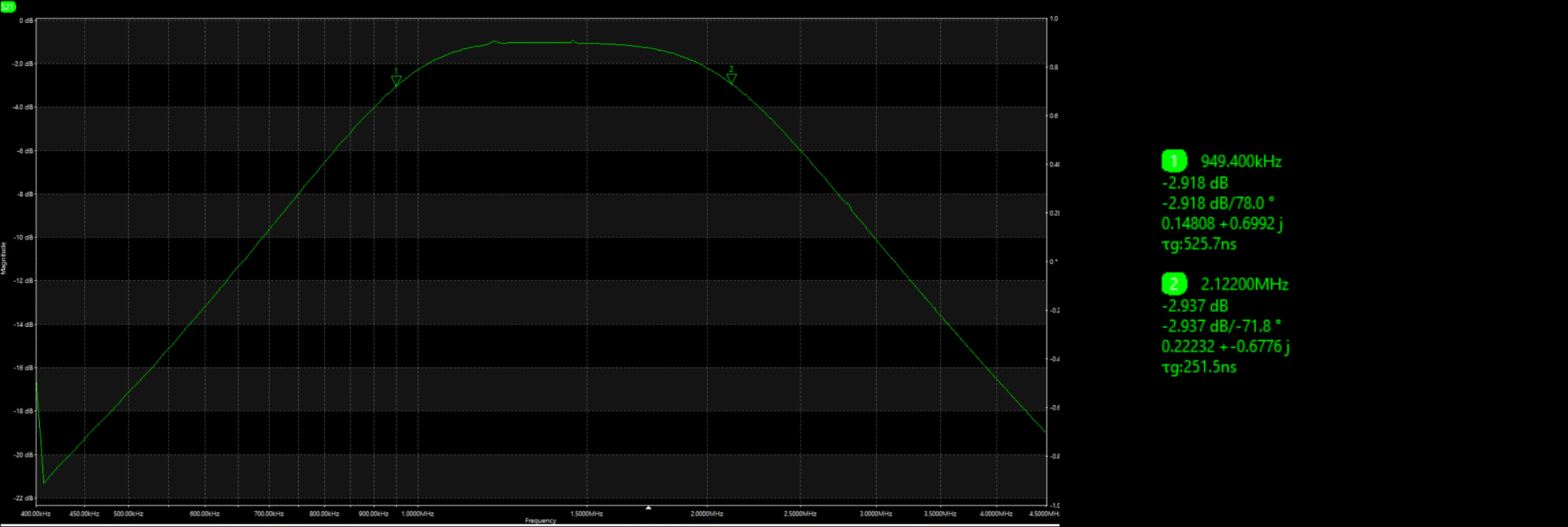
Figure 29 – Chebyshev Band-Pass Filter Measured with Vector Network Analyzer (LibreVNA)
4 Conclusion
Both Butterworth and Chebyshev LC filters were designed and measured. The Butterworth filter showed a smooth, ripple-free response with cutoff frequencies close to the target. The Chebyshev filter, with a 1 dB passband ripple, had a slightly shifted -3 dB point due to the ripple but provided a sharper roll-off for better frequency selectivity.
Simulations in LTspice closely matched the measurements. Parasitic capacitance and inductance had little effect at these frequencies, though they may matter more at higher frequencies.
Butterworth filters are best for applications requiring a smooth, flat passband and minimal signal distortion, such as audio systems, measurement instrumentation, and analog signal processing. Chebyshev filters are suitable when sharp frequency discrimination is needed, for example in RF communications, channel selection, and EMI filtering, where a small passband ripple is acceptable.
In summary, Butterworth filters offer smooth responses for high-fidelity or precision applications, while Chebyshev filters provide sharper frequency separation for applications needing strict filtering. The measurements confirm that both designs perform as expected. The LTspice simulation files can be found at the link below:

Amar Mahmutbegović
CoFounder & Head of Engineering
Amar Mahmutbegović is the co-founder and head of engineering at Semblie, where he leads the utilization of modern C++ for firmware development. His expertise extends to working on BLE consumer devices and medical devices, delivering sophisticated solutions for a wide range of clients, including start-ups.
Amar’s dedication to innovation helps bring electronic product ideas to the world. Amar actively shares C++ benefits in the embedded community via blogs and LinkedIn. He also mentors young engineers, enhancing their skills in modern development practices.
His work aims to make embedded systems more accessible, maintainable, and scalable, bridging the gap between traditional methods and modern efficiencies for developers worldwide.

S