
EE Validation TPS62160 DC/DC Buck Converter (Part II)
1 Introduction
This post is a continuation of the series on EE validation. In this post, we’ll go through additional measurements and focus on conducted emission testing performed using the Tekbox setup with LISNs.
2 Equipment
2.1 Used Equipment
- Spectrum Analyzer (SSA 3032X Plus)
- DC Power Supply (GW INSTEK GPD-3060D)
- 2 x 5uH LISN (TBOH01)
- Tekbox TBST shielded tent
- Self Powered Active Load (TBOH02)
-
The conducted EMC testing was performed using a setup based on Figure 1 from Tekbox’s pre-compliance guide. The device under test (DUT) was placed on a ground plane inside a Tekbox TBST shielded tent, which provides a low-noise and controlled measurement environment. Power was supplied through two Tekbox LISNs (TBOH01) that isolate and measure noise on the power lines. At the output, a Tekbox TBOH02 active load was connected to ensure stable operating conditions during the tests without introducing additional noise into the system.
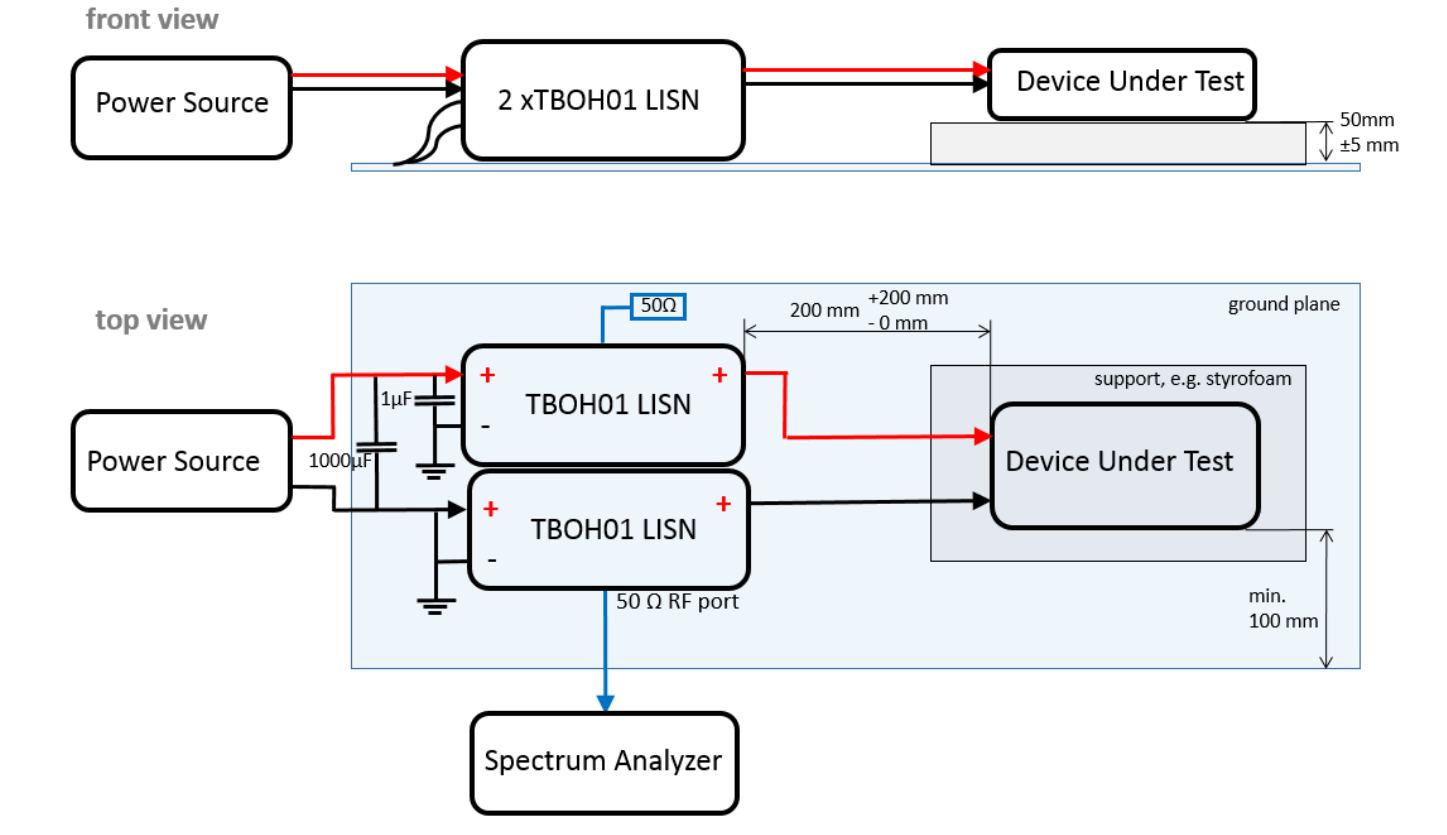
Figure 1 – Conducted emission test setup based on Tekbox pre-compliance configuration

Figure 2 – Main equipment used for the conducted emission measurements: (a) Tekbox TBOH01 LISN, (b) Tekbox TBST shielded and
(c) Tekbox TBOH02 load
Conducted emission testing was carried out using Tekbox EMCView software in accordance with the CISPR 25 standard. The measurements were performed with a spectrum analyzer over the frequency range of 150 kHz to 30 MHz, providing an accurate pre-compliance evaluation of conducted emissions following Tekbox guidelines.
Figure 3 shows the device under test (DUT) positioned on a non-conductive surface, connected between two Tekbox LISNs (TBOH01) on the left and the Tekbox TBOH02 active load on the right. This setup was used to ensure stable and low-noise conditions during the conducted emission measurements.
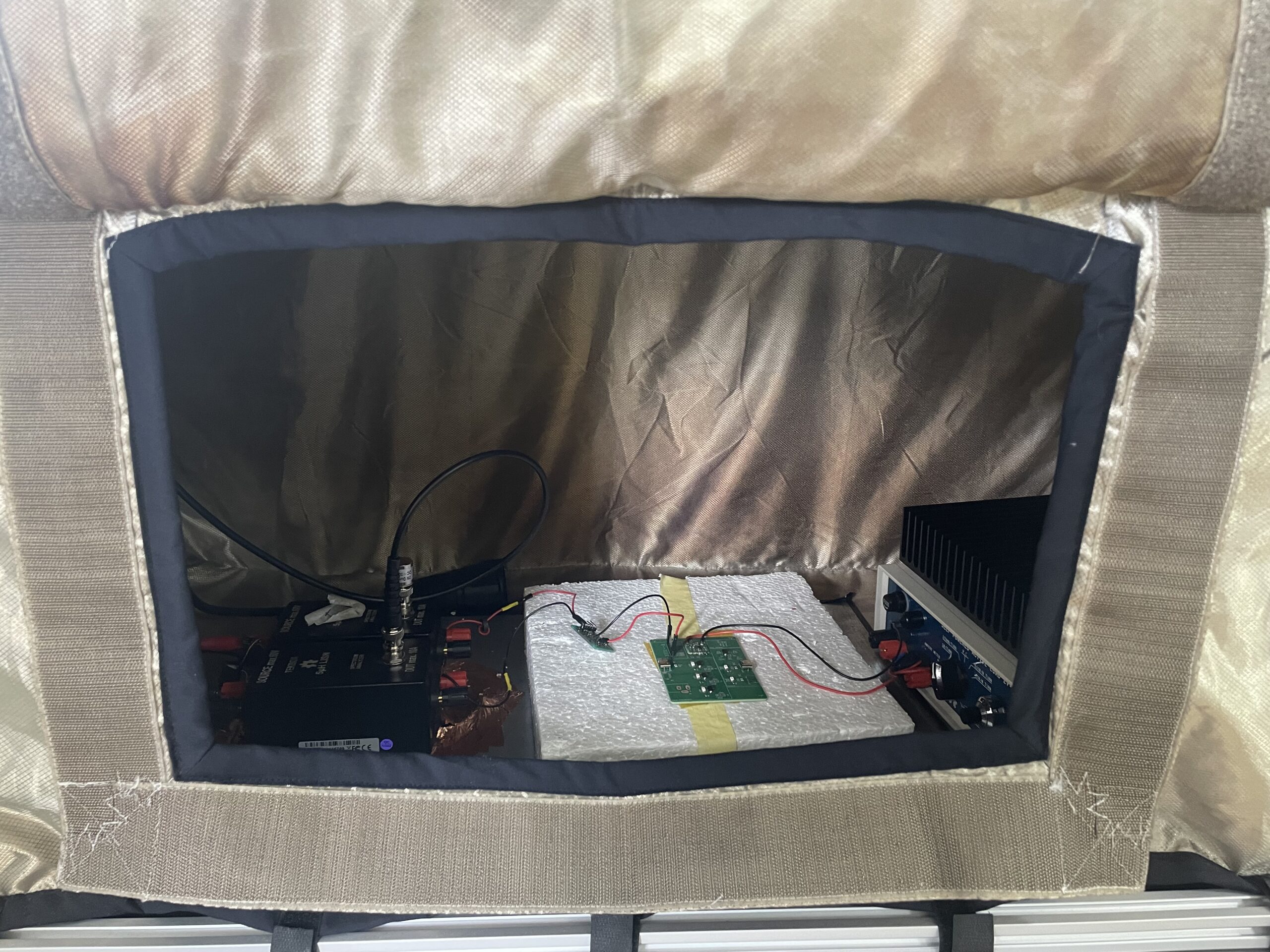
Figure 3 – Conducted emission measurement setup inside the Tekbox TBST shielded tent
3 Measurement and Test Overview
3.1 Conducted emission measurements using LISN
CISPR 25 is generally used for automotive applications. The measurement setup, as described in Chapter 2, and based on the configuration recommended by CISPR 25, was used for conducted emission pre-compliance testing of the DC-DC buck converter design. Two Tekbox LISNs (TBOH01) were used together with EMCView software, with CISPR 25 Class 4 selected as the reference standard.
For automotive applications, Class 4 was chosen because it represents a realistic emission requirement for typical automotive power electronics. Class 5 has higher requirements and is usually used for very sensitive devices, like radios or communication equipment, which need very low noise levels. Since this converter is used as a general power supply and not connected directly to RF circuits, Class 4 is considered an appropriate and practical target.
The initial measurement results are shown in Figure 4. The red and blue lines represent the average and quasi-peak limits defined by the standard. The grey lines represent the raw measurement values, recorded before accounting for the attenuation of the transient limiter, and these raw values are not of interest for our analysis. The green and purple lines show the measured Average Peak (AVP) and Quasi-Peak (QP) values, which are the values we consider for analysis. Some peaks slightly exceeded the Class 4 limit, mainly above 20 MHz. These peaks have been highlighted with a circle in the figure to clearly indicate the points of interest. To ensure compliance, the goal was to keep all emissions at least 10 dB below the limit line.
Based on the measured results (see Table 1), the output current ripple remained within 20–40% of the load current, in accordance with the recommended range from Texas Instruments [https://www.ti.com/lit/an/slva477b/slva477b.pdf].
Although the TPS62160 datasheet does not specify exact limits for output current ripple, the output voltage ripple can be referenced from Figure 22 of the datasheet. Figure 6 shows a diagram of the measured output voltage ripple in relation to input voltage and output current. This allows for direct comparison with the datasheet specifications, highlighting how ripple varies under different operating conditions.
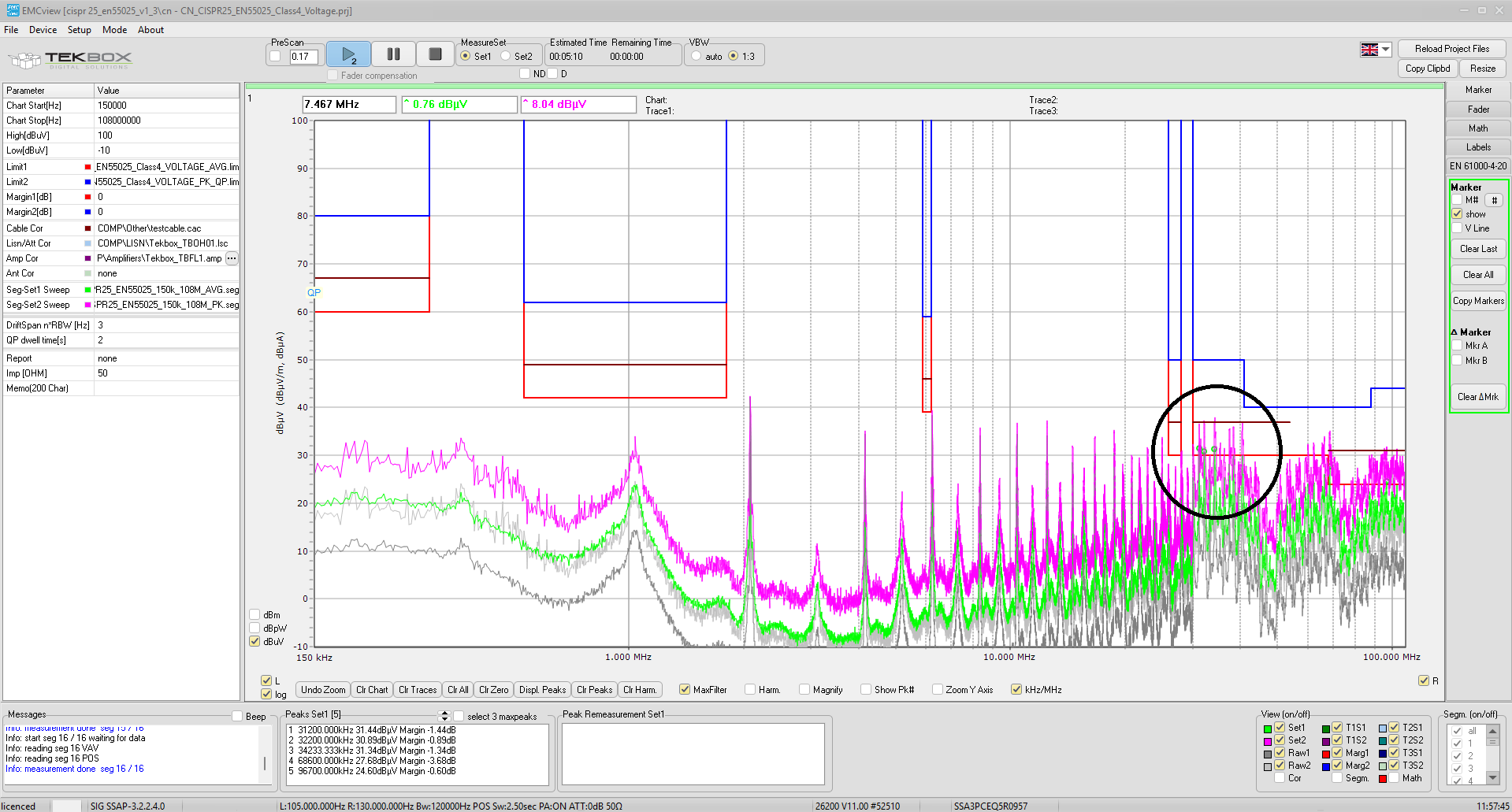
Figure 4 – Conducted emission measurement of the DC-DC buck converter without additional filtering (reference to CISPR 25 Class 4 limits)
To reduce emissions around 20 MHz, a Butterworth LC filter was designed. The first version of the filter was a second-order LC filter, tuned for 20 MHz (see Figure 5). During implementation, the component values were rounded to practical values: the inductor to 500 nH and the capacitor to 220 pF. After implementing this filter, a new measurement was performed (Figure 6). The emissions above 20 MHz were successfully reduced, but a new resonance appeared around 6 MHz, creating an additional unwanted peak.

Figure 5 – Designed LC filter for 20 MHz with two filtering components for improved attenuation
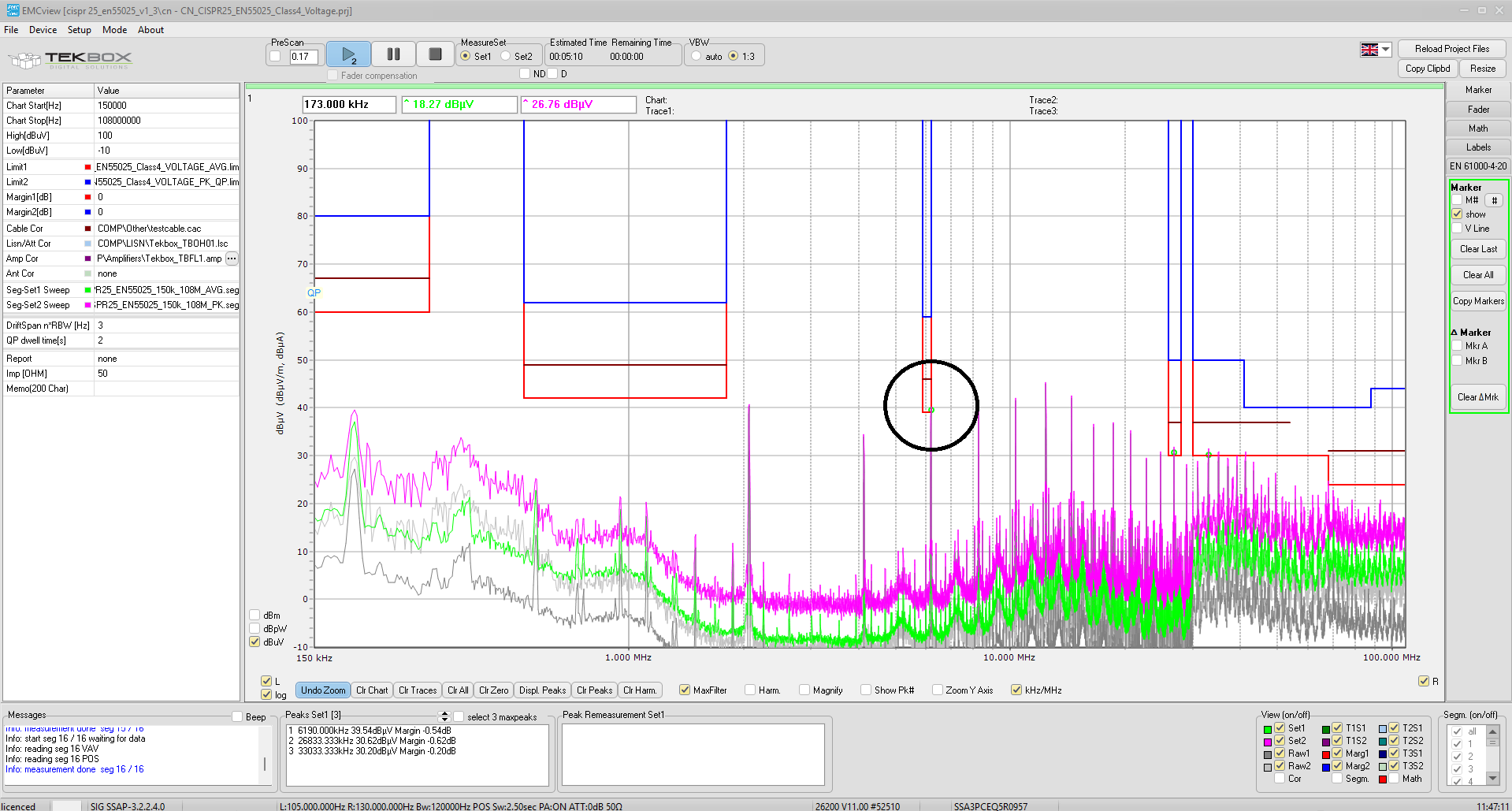
Figure 6 – Conducted emission measurement after implementing the first LC filter
To address this issue, the filter was redesigned and optimized for 6 MHz, using the same Butterworth type, but this time a fourth-order LC filter was implemented. The higher-order filter was necessary because it provides better attenuation over a wider frequency range, which was required to cover both the new resonance and remaining peaks above 20 MHz. The component values for this design were: first inductor 2.2 nH, first capacitor 390 pF, second inductor 2.2 nH, and second capacitor 1.2 nF. The updated design is shown in Figure 7, and the measurement results with the new filter in Figure 8. All emission levels were reduced to more than 10 dB below the CISPR 25 Class 4 limits, and no significant peaks were observed anymore.
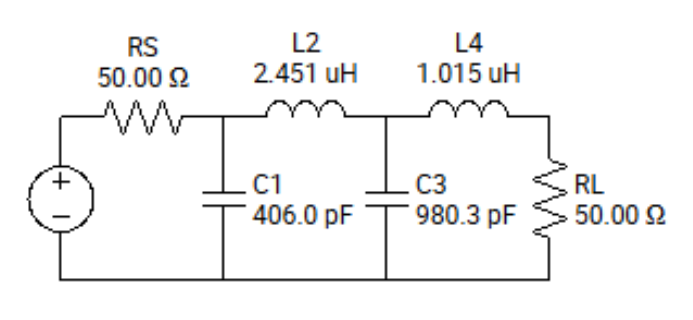
Figure 7 – Redesigned LC filter for 6 MHz with four filtering components for improved attenuation
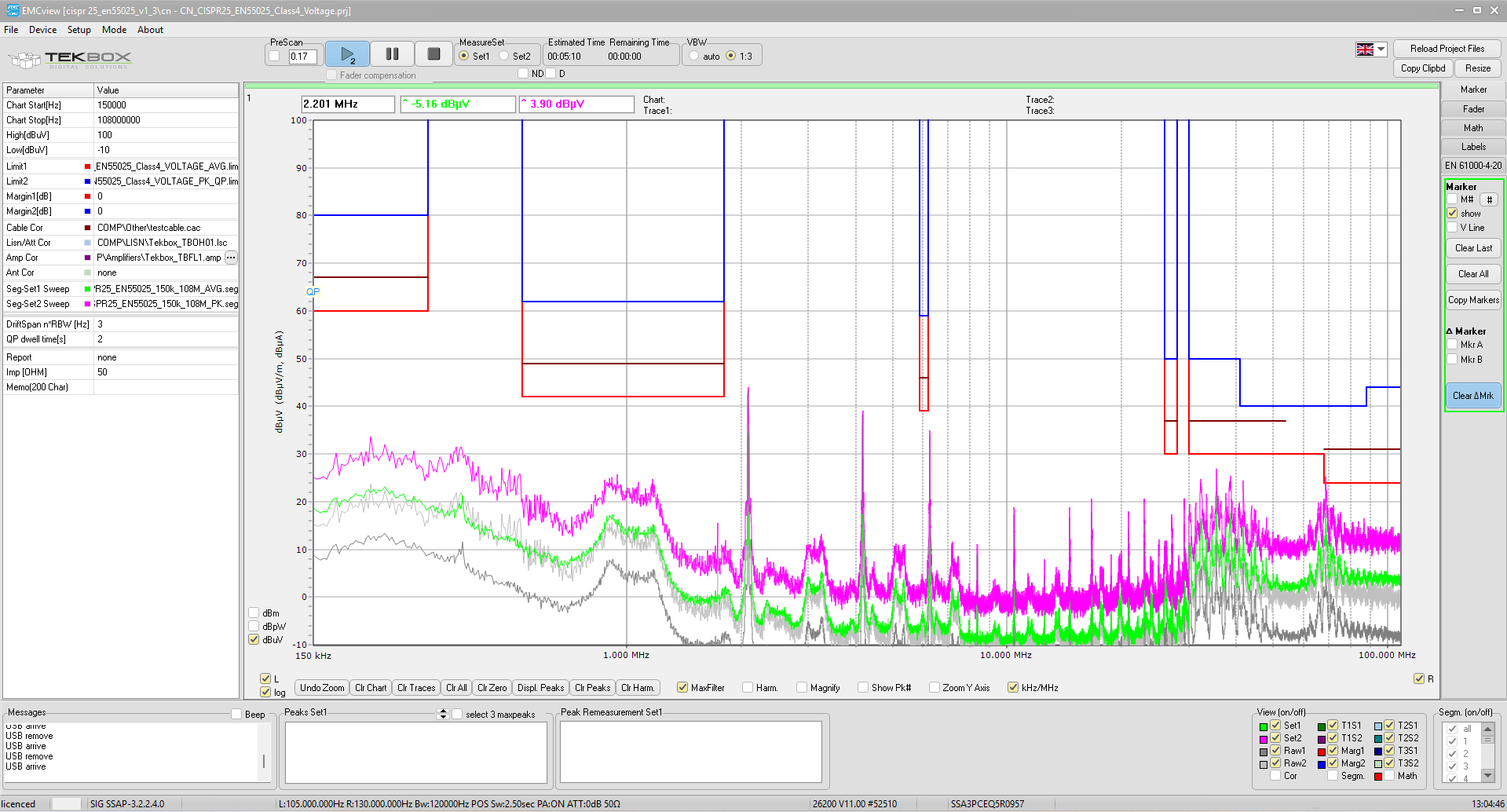
Figure 8 – Final conducted emission measurement with the optimized LC filter
4 Conclusion
Pre-compliance testing of the DC-DC buck converter showed initial emission peaks above CISPR 25 Class 4 limits. By implementing a Butterworth LC filter and optimizing its order and component values, all conducted emissions were successfully reduced to more than 10 dB below the limit, with no significant peaks remaining. The higher-order filter effectively suppressed a wider frequency range, ensuring compliance with automotive EMC requirements.

Emina Imširović
Junior Electronic Engineer
A Junior Electronic Engineer with hands-on experience in the complete hardware development lifecycle, from schematic and PCB design to circuit testing and assembly. She is experienced at antenna adjustments and independently researching and implementing practical electronic solutions to meet project needs

S