
Importance of the Gate Resistor
Controlling the Rise and Fall Time of the MOSFET1 Introduction
This chapter investigates the conducted electromagnetic interference (EMI) caused by a MOSFET operating in switching mode. The circuit was modeled in LTspice, and a 5 µH Line Impedance Stabilization Network (LISN) was used both to supply power to the device under test (DUT) and to measure the voltage at the measurement port. Three configurations were analyzed: operation without gate resistors, operation with a single optimally calculated gate resistor, and its operation using a gate network composed of resistors and a diode in one branch to shape the rise and fall transitions. FFT analysis of the LISN voltage was used to compare EMI levels at the switching frequency.
2 Gate Resistor
A gate resistor is placed in series between the MOSFET gate and its driver to control the charging and discharging of the gate capacitance. Since the MOSFET gate behaves as a capacitive load, fast voltage transitions result in short, high-frequency charging and discharging current pulses. Without sufficient gate impedance, these fast transitions can excite parasitic inductances in the gate loop, leading to ringing, voltage overshoot, and increased electromagnetic interference (EMI).
A gate resistor slows down the MOSFET switching by forming an RC network with its gate capacitance and softening voltage transitions. This reduces oscillations, EMI, and stress on the driver. Typical values are 1–100 Ω, chosen based on speed, efficiency, and EMI needs.
The value of the gate resistor can be initially estimated using the low-pass RC formula:
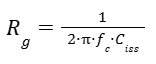
where Ciss is the MOSFET input capacitance and fc is the cutoff frequency, typically chosen below the switching frequency.
In some designs, the gate resistor is split into separate turn-on and turn-off paths using diodes, allowing independent control of the rising and falling edges of the gate voltage. Figure 1 shows such a gate-drive configuration, where the turn-on and turn-off transitions are controlled by separate resistive paths, providing additional flexibility in controlling dv/dt and di/dt.
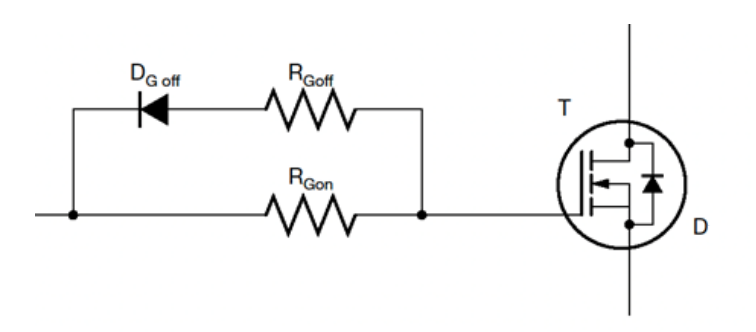
Figure 1 – Gate-drive configuration with separate turn-on and turn-off resistors
2.1 MOSFET Switching Without Gate Resistor
Figure 2 shows the LTspice schematic of the MOSFET circuit without any gate resistor. The circuit is designed so that the MOSFET switches at a frequency of 1 MHz. A 50 uH Line Impedance Stabilization Network (LISN) is added at the input to provide a defined impedance and to enable measurement of the conducted emissions generated by the MOSFET during switching.
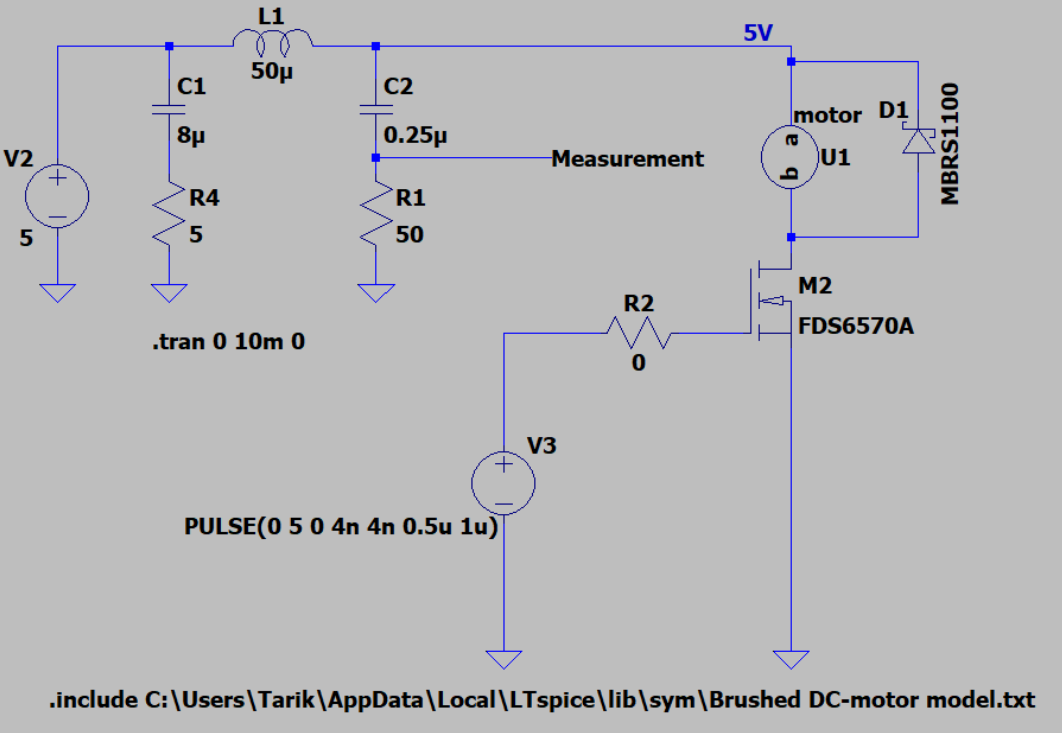
Figure 2 – LTspice schematic of the MOSFET circuit without a gate resistor, switching at 1 MHz with LISN added for conducted EMI measurement
The drain voltage waveform during switching is shown in Figure 3. The very steep voltage transitions clearly illustrate the fast switching behavior of the MOSFET when no gate damping is applied, which contributes to increased high-frequency noise.
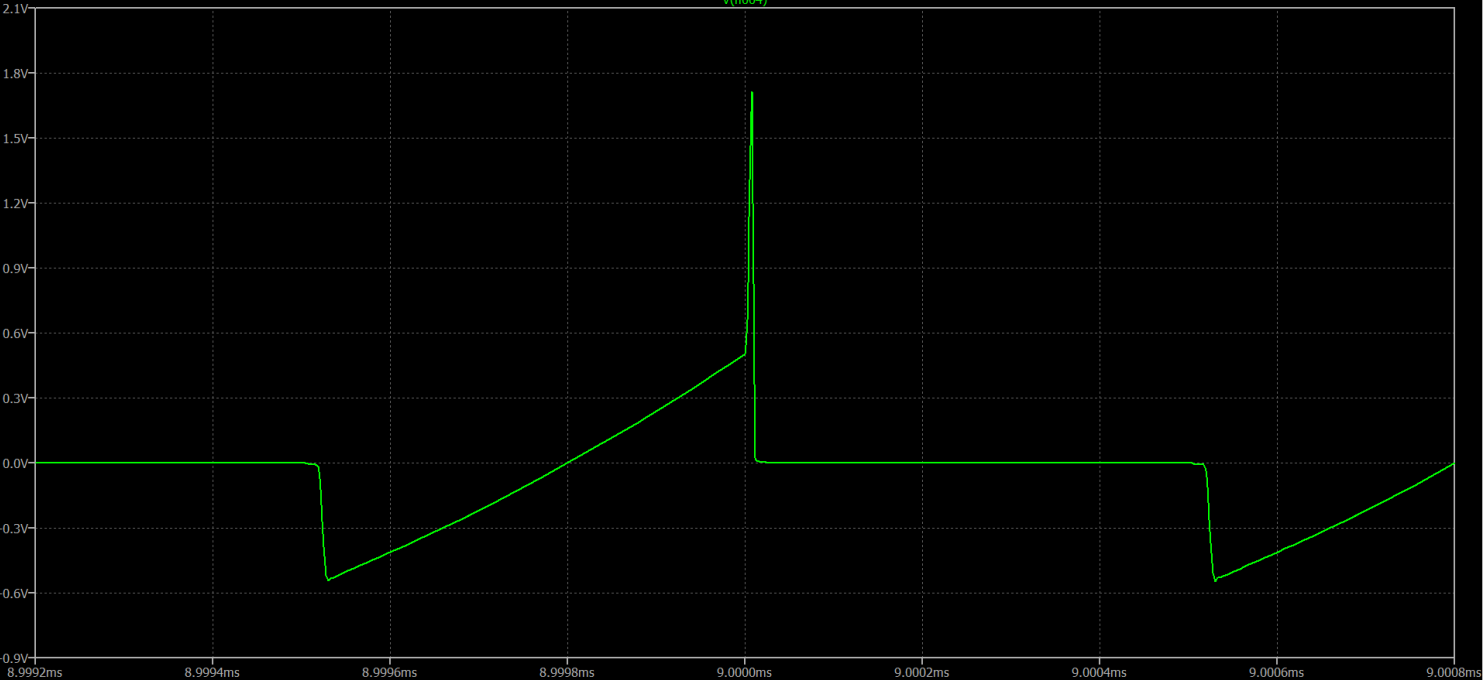
Figure 3 – Drain voltage waveform of the MOSFET during switching without a gate resistor
The voltage waveform measured at the LISN measurement port, indicated as Measurement in the schematic, is shown in Figure 4. This waveform represents the noise coupled back to the supply and is used as the basis for conducted EMI evaluation.
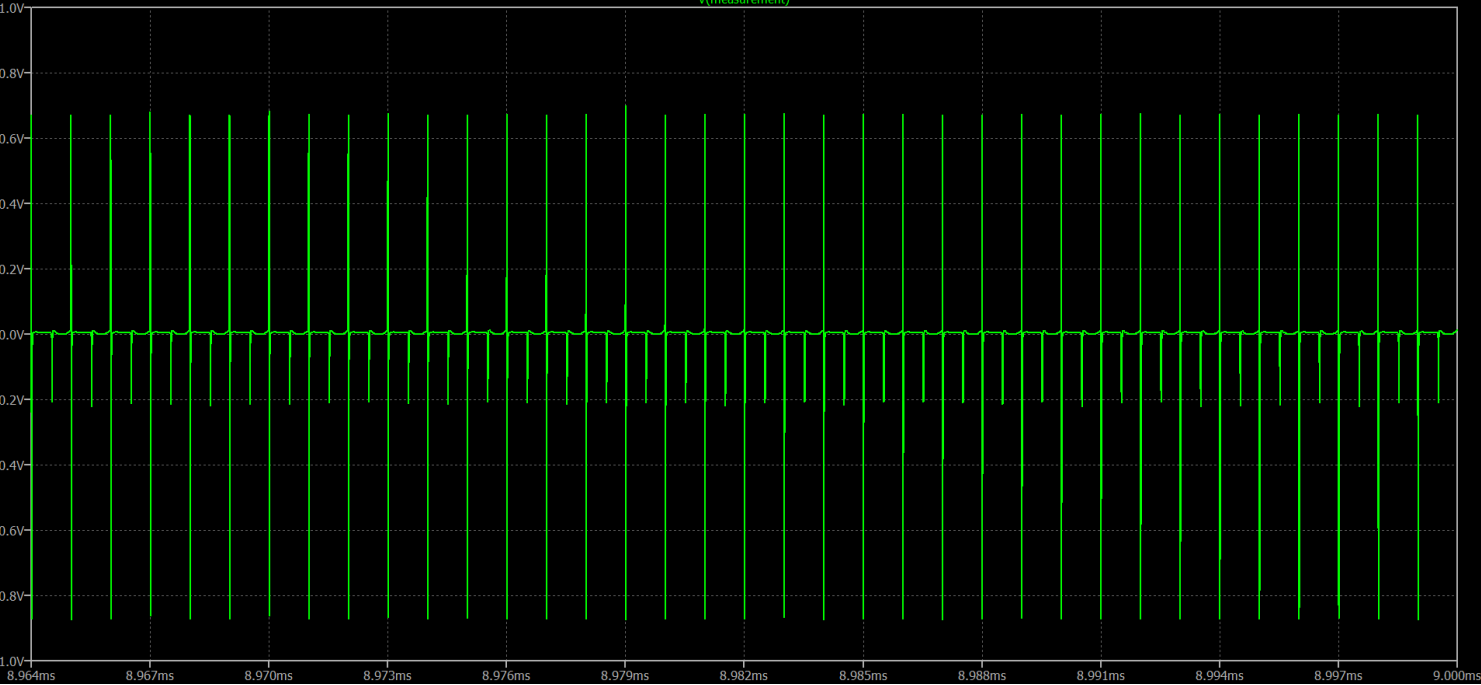
Figure 4 – Voltage waveform at the LISN measurement port labeled Measurement
The corresponding conducted emissions of the MOSFET without any gate resistor are presented in Figure 5, which shows the FFT analysis of the measured voltage. Strong high-frequency components can be observed, directly linked to the absence of gate damping and the resulting fast switching transitions. Conducted EMI measurements are typically evaluated in the frequency range from 150 kHz to 110 MHz, which is fully covered by the presented analysis.
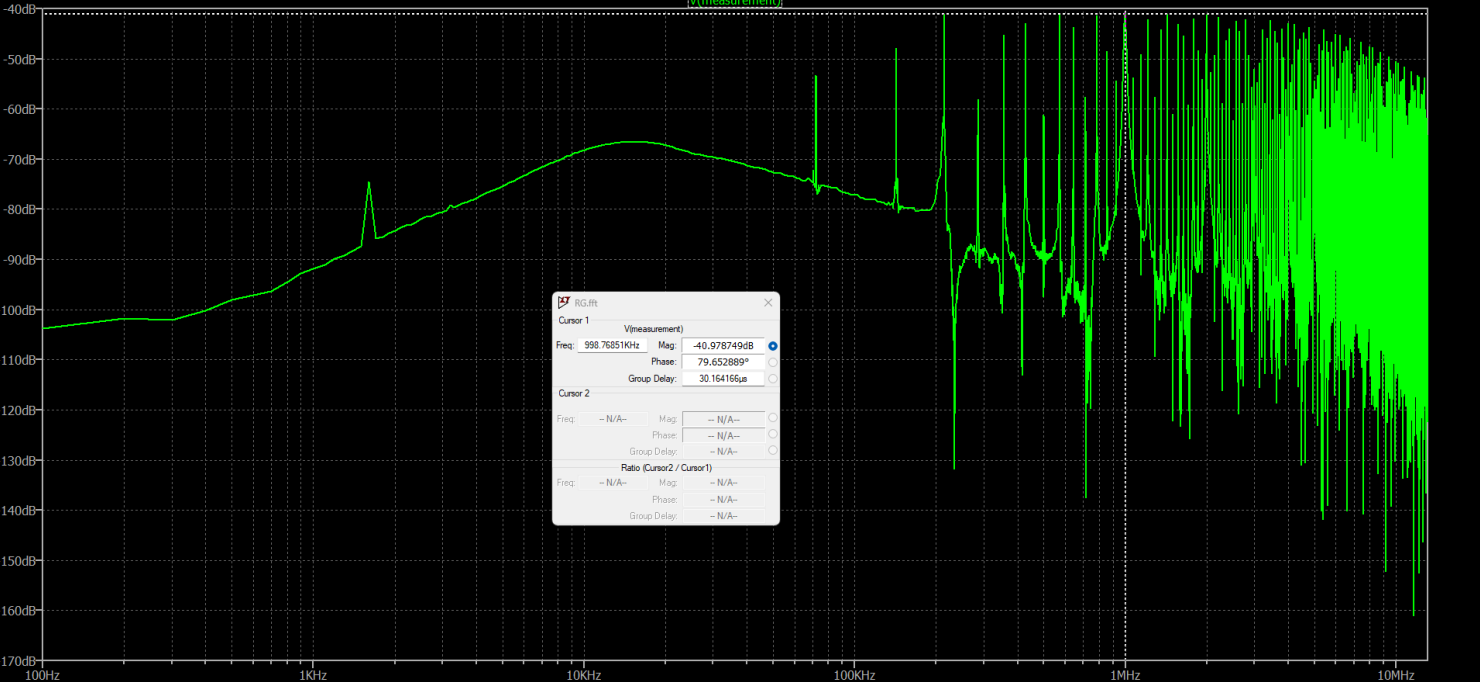
Figure 5 – FFT analysis of the measured voltage showing conducted emissions of the MOSFET without gate resistor
2.2 MOSFET Switching with Single Gate Resistor
Based on equation (1), for a target frequency of 1 MHz and an input capacitance of Ciss = 4700 pF of the FDS6570A MOSFET, a gate resistor value of Rg = 33.8799 Ω is obtained. This calculated value is non-standard; however, for the purpose of the analysis in this blog post, the calculated value will be used. In practical applications, the nearest available standard resistor value would be selected.
In this first example, a single 33.8799 Ω gate resistor is used to control both the turn-on and turn-off transitions of the MOSFET. By limiting the instantaneous gate current, the resistor smooths the rise and fall times, reducing voltage overshoot and minimizing EMI. The LTspice schematic of this configuration, shown in Figure 6, illustrates the complete circuit layout, including the MOSFET, the series gate resistor, the input voltage source, the load, and the measurement points.
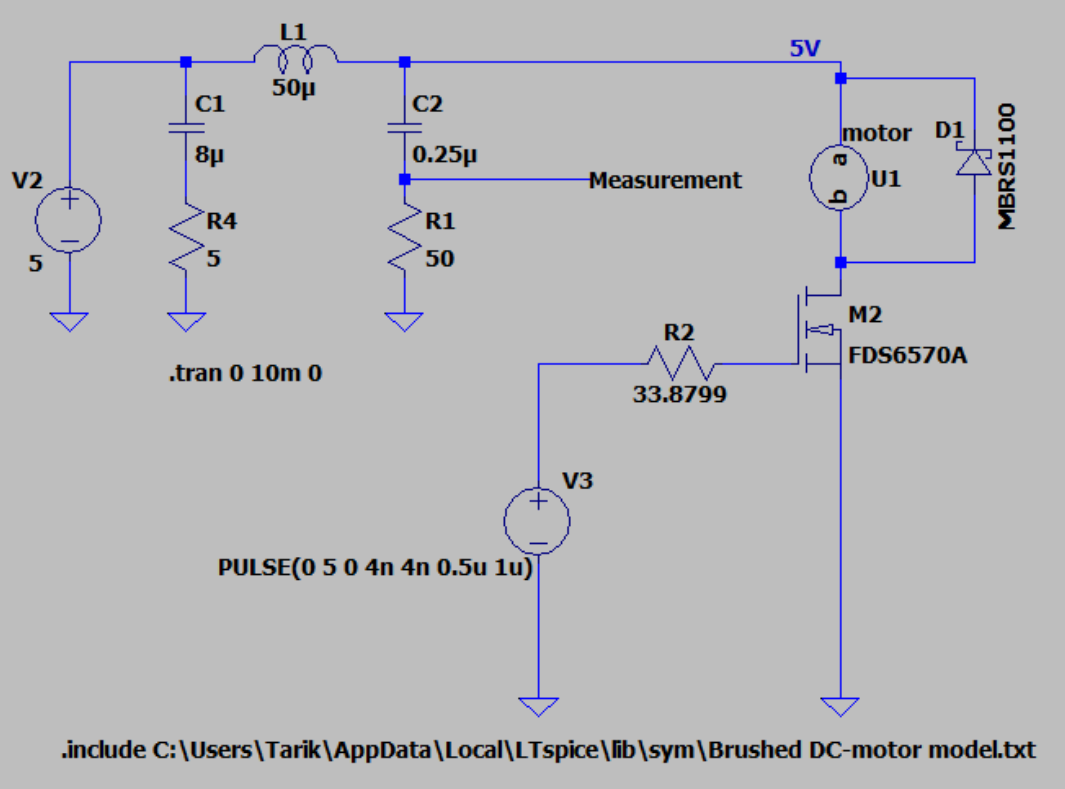
Figure 6 – LTspice Schematic with 33.8799 Ω Gate Resistor
The effect of the gate resistor on the switching behavior can be seen in the drain voltage waveform presented in Figure 7, where the rise and fall times are noticeably smoother, and voltage overshoot is reduced compared to a direct gate drive. A closer look at the voltage at the measurement port, depicted in Figure 8, provides a detailed view of the switching transitions, showing how the resistor improves signal integrity and limits fast voltage spikes.
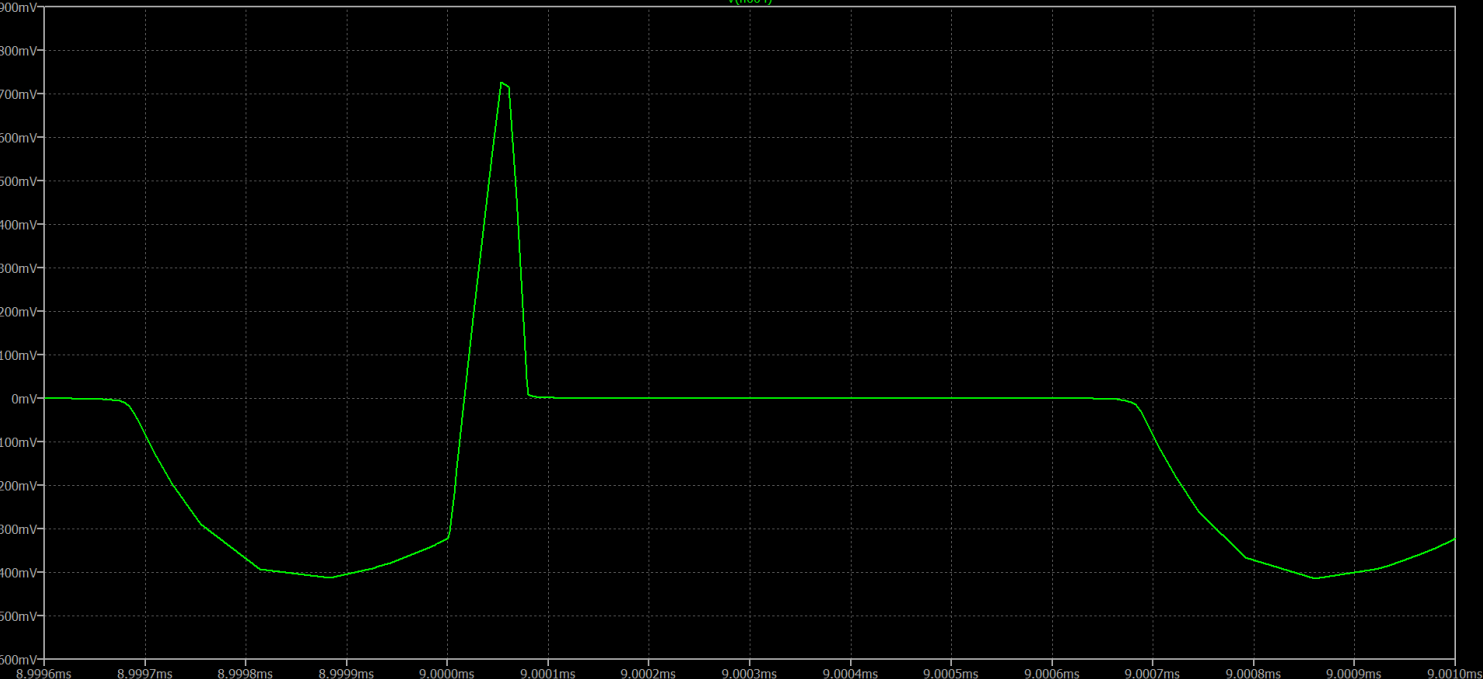
Figure 7 – Drain Voltage Waveform
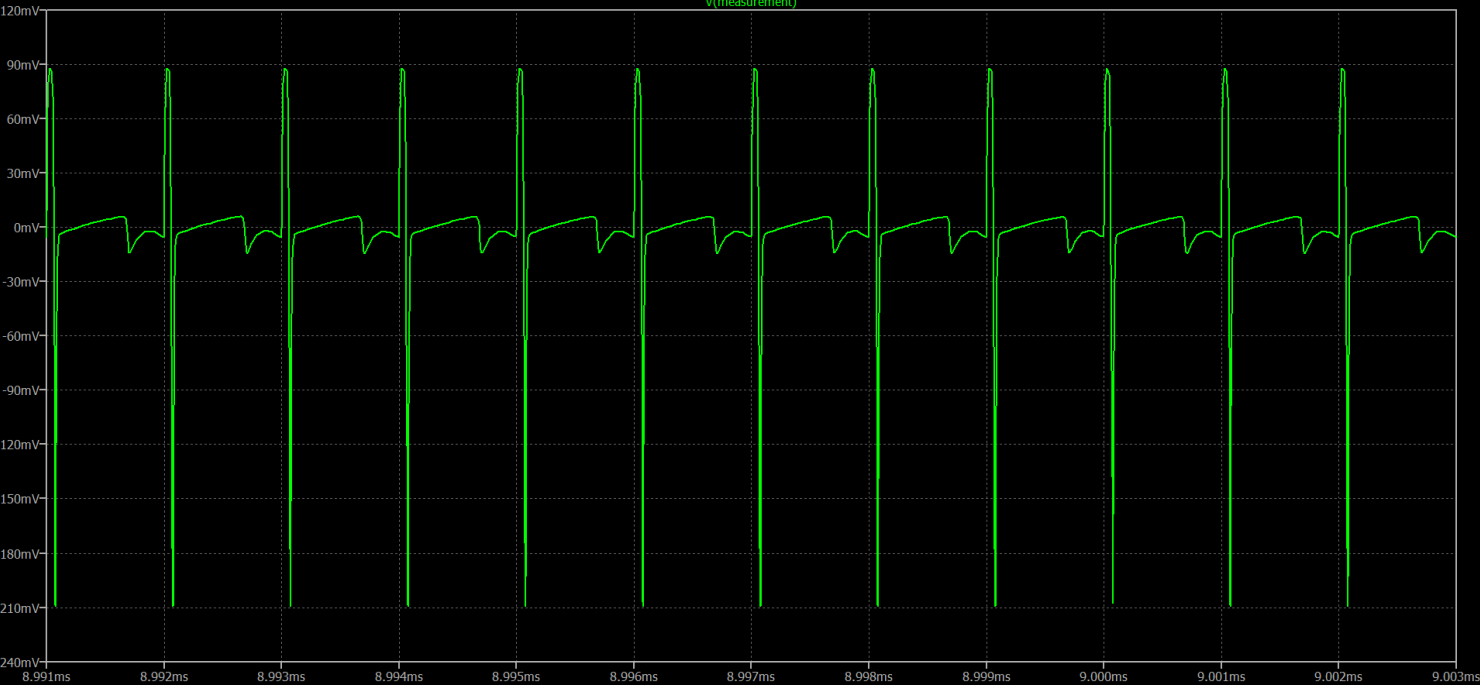
Figure 8 – Voltage at Measurement Port
Finally, the FFT analysis of the voltage at the measurement port, as shown in Figure 9, highlights the frequency spectrum of the circuit. The high-frequency components are significantly suppressed, confirming the resistor’s effectiveness in reducing EMI generated by rapid switching events.
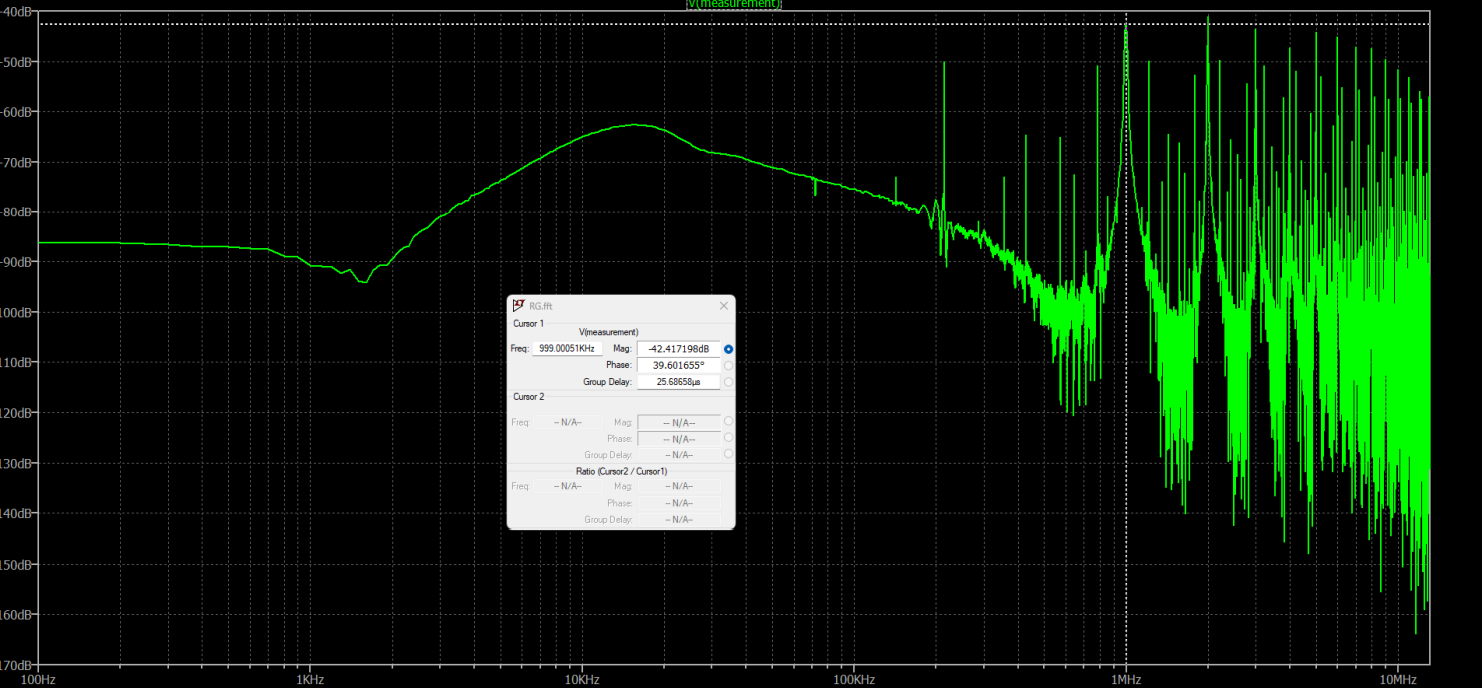
Figure 9 – FFT of Measurement Port Voltage
2.3 MOSFET Switching with Gate network
In this example, gate network is used to independently control the turn-on and turn-off transitions of the MOSFET. The turn-on resistor, Rg(on), regulates the charging of the gate capacitance during switching on, while the turn-off resistor, Rg(off), controls the discharging during switching off. By selecting different values for Rg(on) and Rg(off), the rise and fall times can be optimized separately, which allows better control over voltage overshoot and reduces EMI.
The LTspice schematic of this configuration, shown in Figure 10, illustrates how both gate resistors are connected in series with the MOSFET gate, along with the input voltage source, load, and measurement points. The layout highlights the independent paths for controlling turn-on and turn-off transitions.
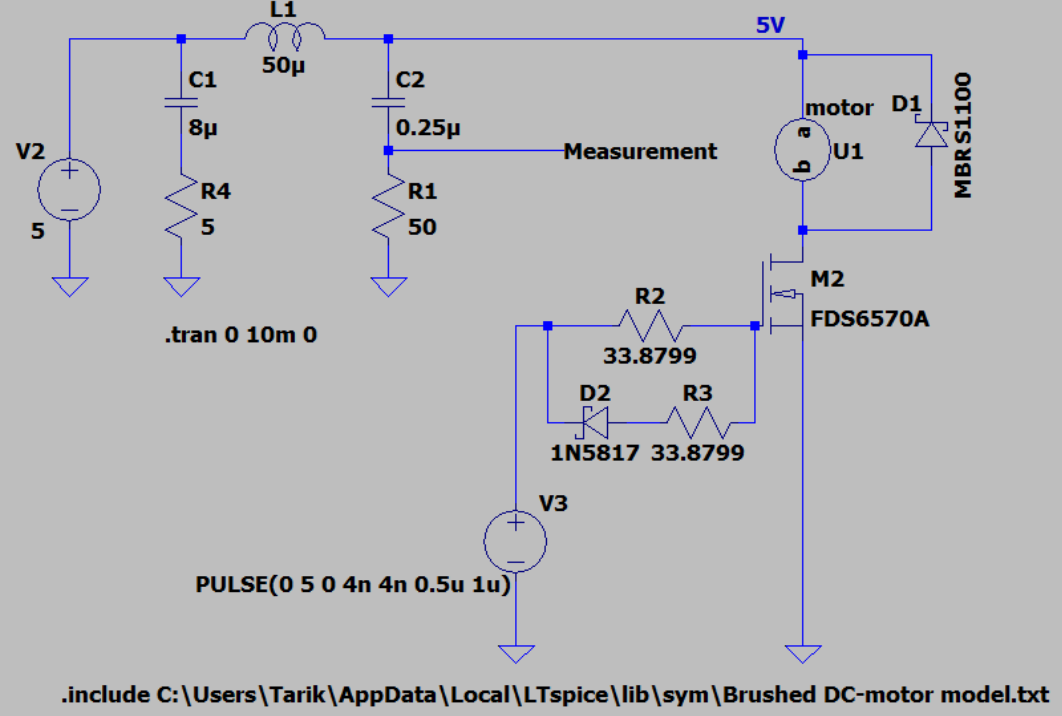
Figure 10 – LTspice Schematic with Separate Rg(on) and Rg(off)
The effect of Rg(on) on the switching behavior is evident in the drain voltage waveform shown in Figure 11, where the turn-on transition is smoothed according to the chosen resistor value. Similarly, the influence of Rg(off) can be observed in the fall portion of the waveform, demonstrating how the discharge of the gate is controlled to limit overshoot and ringing.
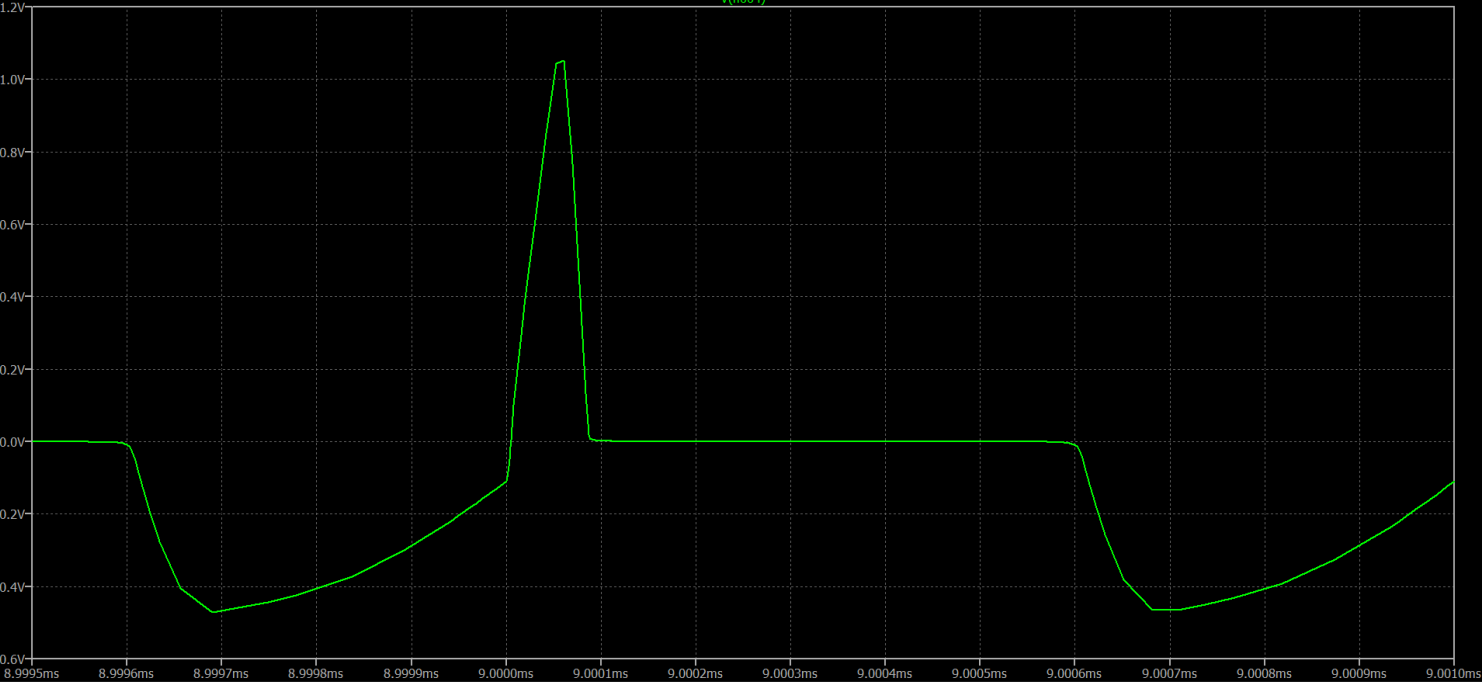
Figure 11 – Drain Voltage Waveform with Independent Gate Resistors
Voltage captured at the measurement port, depicted in Figure 12, provides a detailed view of both turn-on and turn-off transitions. The waveform clearly shows how using separate gate resistors improves signal integrity and reduces fast voltage spikes.
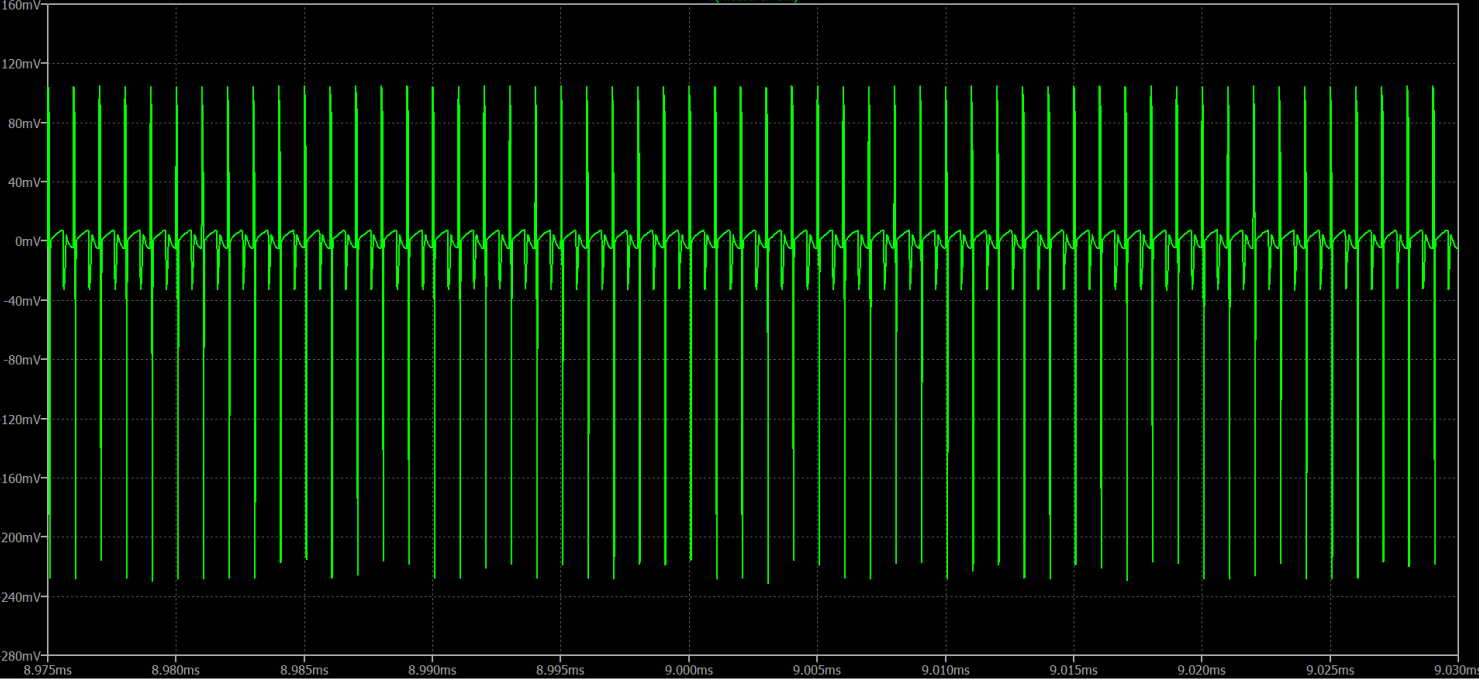
Figure 12 – Voltage at Measurement Port
Finally, the FFT of the measurement port voltage, as shown in Figure 13, highlights the frequency spectrum of the circuit. High-frequency components are further suppressed compared to a single-resistor implementation, confirming the effectiveness of using Rg(on) and Rg(off) to reduce EMI caused by rapid switching events.

Figure 13 – FFT of Measurement Port Voltage
To quantify the effect of gate resistors on conducted emissions, the peak values of the LISN voltage FFT at 1 MHz were extracted for the three simulated cases. The results are summarized in Table 1.
Table 1 – Comparison of peak EMI levels at 1 MHz for different gate resistor configurations.
|
Case |
Peak Emission at 1 MHz (dB) |
Notes |
|
No gate resistor |
-40.9787 |
Fast switching, high dv/dt and di/dt |
|
Single 33.8799 Ω resistor |
-42.4172 |
Lowest emission, optimal damping |
|
Separate rise/fall resistors |
-41.4993 |
Slightly higher than single resistor |
Comparing the three cases, it is clear that the single 33.8799 Ω gate resistor provides the lowest emission peak at 1 MHz. The baseline case without gate resistors produces the highest emission, while using separate rise and fall resistors reduces the peak compared to no resistor but does not achieve as low emission as the single resistor. This confirms that a properly calculated single gate resistor can be the most effective solution for EMI reduction in this MOSFET configuration.
3 Conclusion
The analysis shows that adding a gate resistor reduces EMI in MOSFET circuits. The single calculated gate resistor of 33.8799 Ω gives the lowest emissions at 1 MHz because it effectively slows down the MOSFET switching edges and dampens high-frequency resonances. Using separate rise and fall resistors can also reduce EMI, but if they are not perfectly matched, they may leave some high-frequency noise. Therefore, a single well-chosen resistor is the simplest and most effective solution. When comparing the best- and worst-case scenarios, an attenuation of approximately 1.5 dB is observed, which is not negligible in the context of EMI noise reduction.

Emina Imširović
Junior Electronic Engineer
A Junior Electronic Engineer with hands-on experience in the complete hardware development lifecycle, from schematic and PCB design to circuit testing and assembly. She is experienced at antenna adjustments and independently researching and implementing practical electronic solutions to meet project needs

S